Sweden and the Sea: A Nation Shaped by Its Coastlines
With one of Europe’s longest and most intricate coastlines, Sweden is a country profoundly defined by the sea. Stretching for roughly 26,000 kilometers and dotted with thousands of islands, its shores blend rugged cliffs, sandy beaches, and quiet forested inlets. These waters—ranging from the brackish Baltic Sea to the chilly reaches of the Gulf of Bothnia—have shaped Sweden’s climate, culture, and economy for centuries.
A Crossroads of Northern Waters
To the east, Sweden faces the Baltic Sea and the Gulf of Bothnia, bodies of water known for their low salinity and unique ecosystems. In winter, the northern part of the Gulf of Bothnia frequently freezes, creating a still, icy landscape that influences both local weather and transportation.
To the southwest, the Kattegat and the Skagerrak form vital maritime corridors linking the Baltic Sea to the North Sea. These straits have long been essential for trade, fishing, and travel.
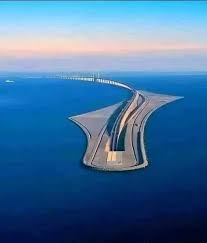
Further south, the narrow Öresund Strait separates Sweden from Denmark. Today, the two countries are connected by the iconic Öresund Bridge, a symbol of Scandinavian cooperation and one of the most important transport links in the region.
A Coastline of Remarkable Diversity
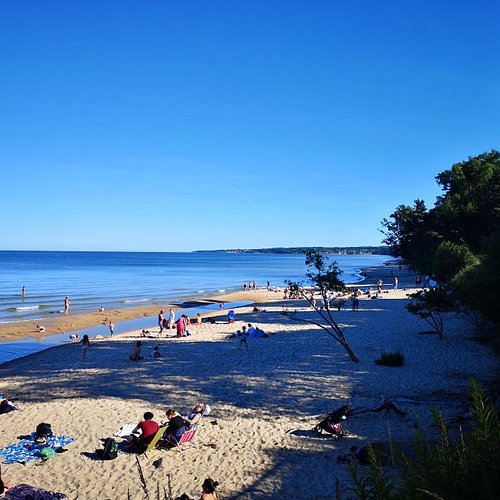
Sweden’s lengthy shoreline offers a remarkable variety of landscapes and recreational opportunities. The southern coasts, with their gently sloping sandy beaches, are especially popular during the summer months, attracting swimmers and sunseekers from across the country.
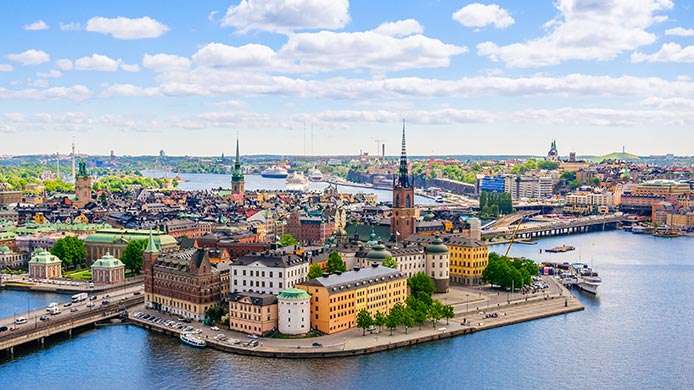
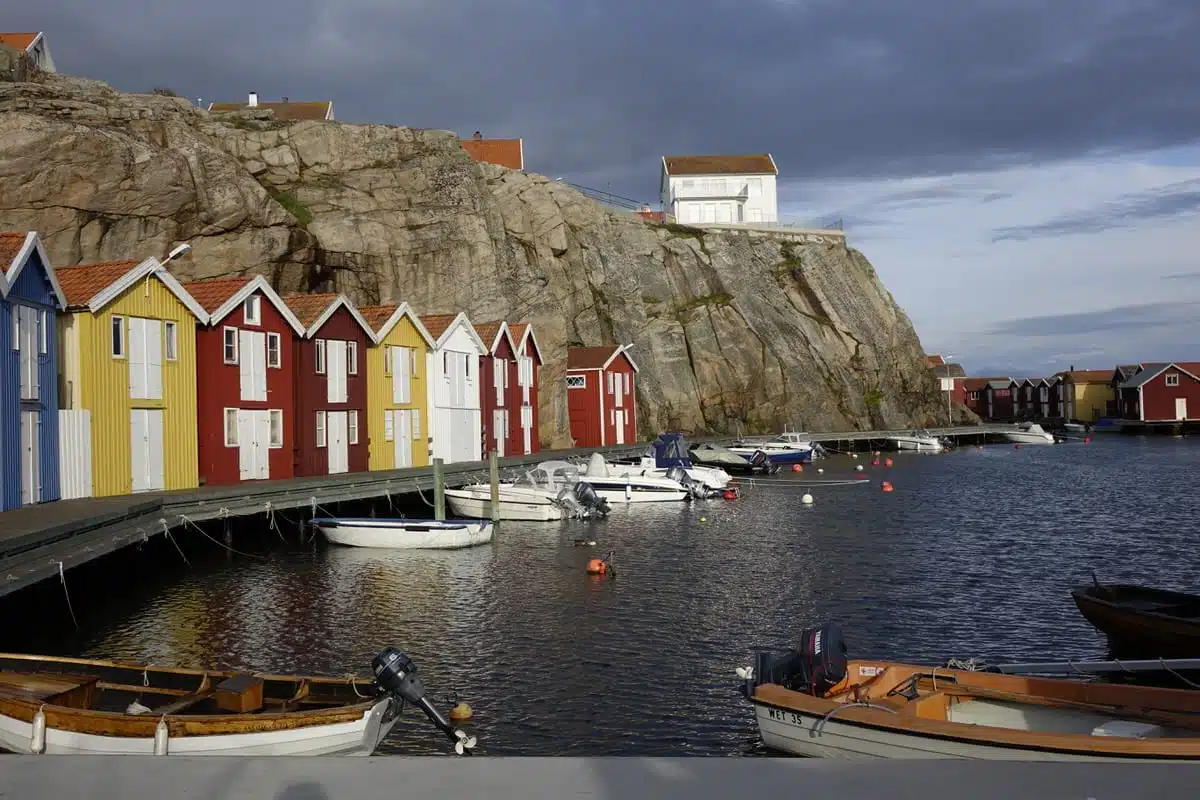
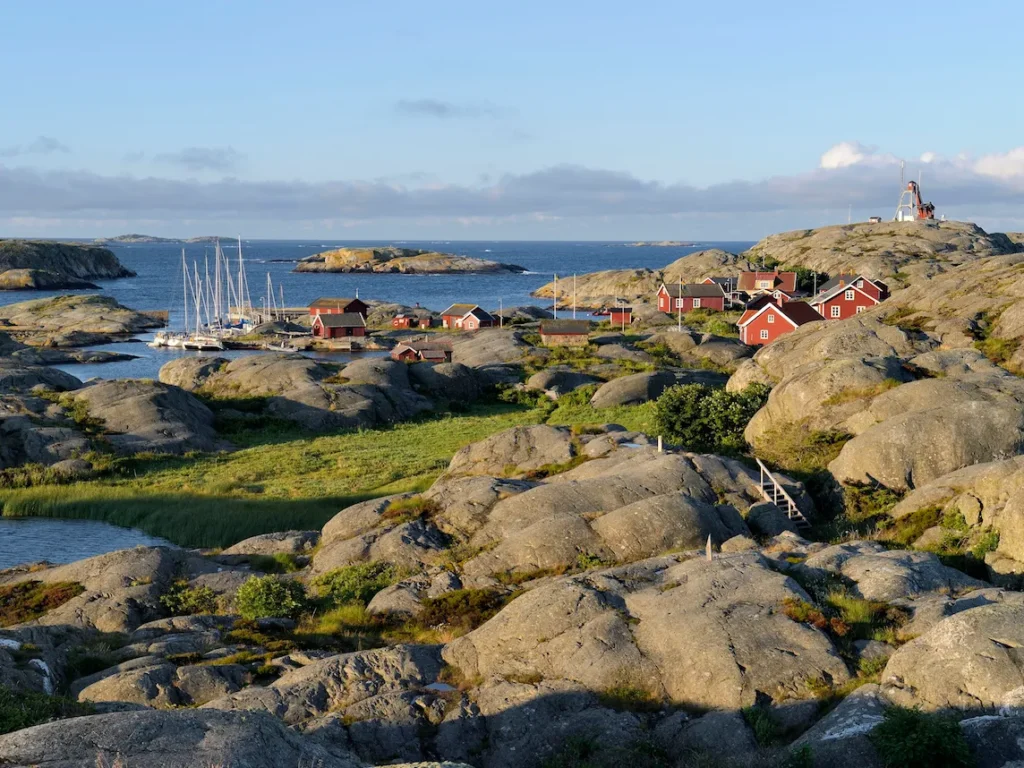
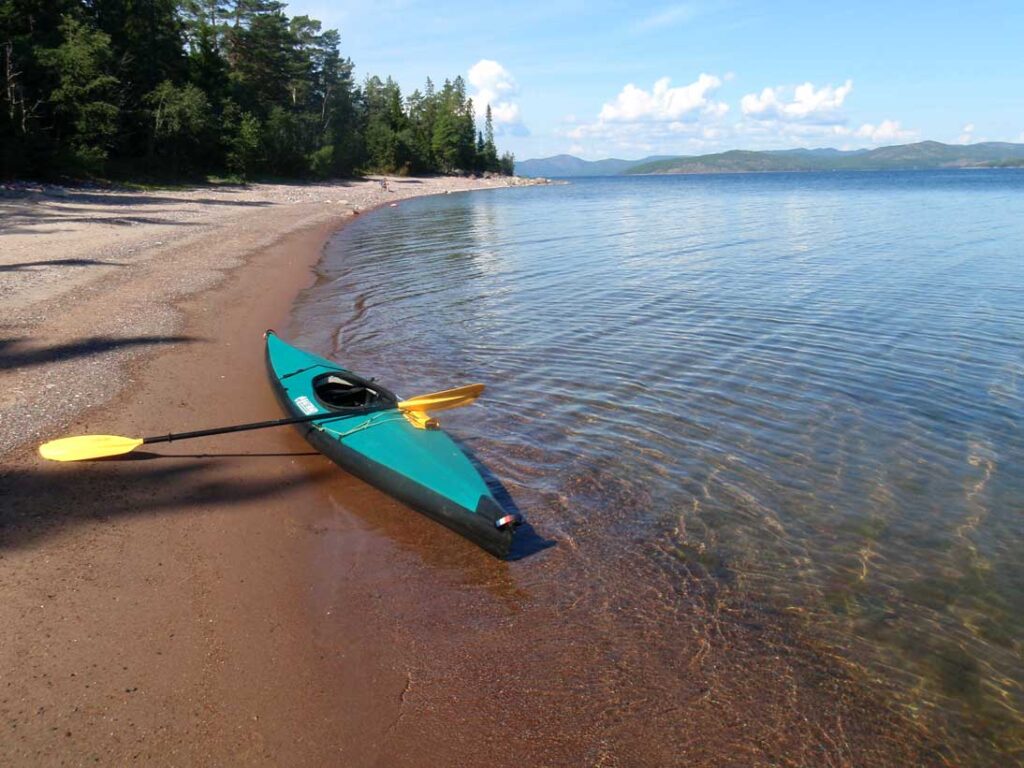
The west coast, by contrast, is known for its rocky archipelagos, fishing villages, and renowned seafood culture. Meanwhile, the Stockholm Archipelago—one of the largest in the world—features thousands of islands and skerries that form a paradise for boating, kayaking, and island-hopping.
Swimming becomes particularly common after midsummer, when temperatures rise and coastal waters become more inviting. For many Swedes, a summer is not complete without time spent along the shoreline, whether fishing on the west coast or enjoying a quiet cabin on an island.
Climate Shaped by the Sea
The surrounding seas play a crucial role in moderating Sweden’s climate—yet their influence varies from region to region. The Baltic’s low-salinity waters, especially in the far north, freeze more readily than typical oceanic seas. This seasonal ice cover affects local temperatures and weather patterns, reinforcing the harsher winter conditions in northern Sweden.
Conversely, coastal areas farther south and west enjoy milder winters and cooler summers thanks to the maritime influence, making them attractive both for settlement and tourism.
A Deep Connection
From transportation and trade to recreation and ecological diversity, Sweden’s identity is inseparable from the waters that surround it. Its coastline is not merely a geographical feature; it is a cultural and environmental backbone. Whether shaped by winter ice or summer sun, Sweden’s seas continue to influence life across the nation—quietly but profoundly.
Join us to protect the sea
Discover how Marina Club fosters a sustainable relationship with the sea through educational initiatives and engaging activities.
Active environmental awareness
We promote knowledge of the sea to encourage responsible behaviour that protects the marine ecosystem and safeguards biodiversity.
Sustainability Initiative
We organise events and projects that promote the respect of marine resources for a positive impact on future generations.
Community and Participation
We create a space for discussion and collaboration for those who share a passion for the sea and wish to actively contribute to its protection.