Sicily and Malta: A Shared Horizon in the Heart of the Mediterranean
Set like twin gems in the center of the Mediterranean, Sicily and Malta boast some of Europe’s clearest waters and richest maritime histories. Though separated by just over 90 kilometers, the two share a marine identity shaped by ancient trade routes, volcanic forces, and a coastline that has drawn travelers for centuries.
Sicily: Diversity in Motion
Sicily’s coastline is a mosaic of geological contrasts, offering experiences that shift dramatically from west to east.
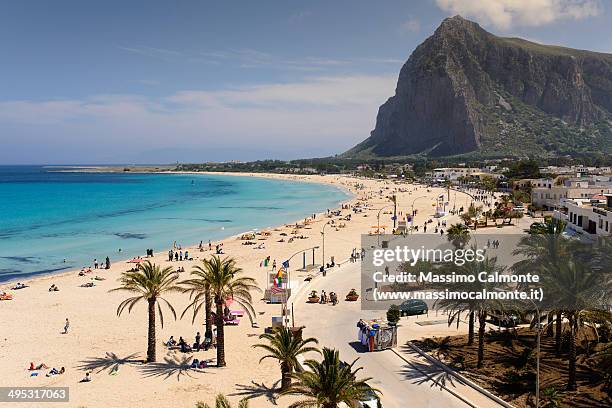
Along the northwestern edge, the Zingaro Nature Reserve and San Vito Lo Capo stand out for their dazzling white sands and turquoise coves—landscapes so bright and clean they evoke a Caribbean postcard more than a Mediterranean peninsula. Further offshore, the Aeolian Islands, a UNESCO World Heritage site, rise from the sea in a chain of seven volcanic peaks. Here, the water plunges into deep blue canyons and washes onto black-sand beaches formed by ancient eruptions.
Traveling west, the Egadi Islands—notably Favignana and Marettimo—offer crystal visibility that makes them a dream for marine explorers. Rocky inlets, sea caves, and flourishing underwater life turn these islands into natural snorkeling sanctuaries.
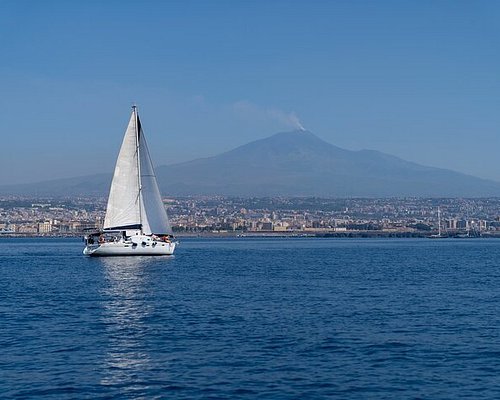
On the opposite side of Sicily, volcanic energy shapes the coastline once again. The eastern stretch near Catania is a dramatic world of lava cliffs forged by Mount Etna’s past flows. South of there, protected areas like Vendicari near Syracuse preserve untouched dunes, salt marshes, and beaches that remain blissfully wild.
Malta: A Paradise for Divers
South of Sicily, the Maltese archipelago—Malta, Gozo, and Comino—has earned global fame for its crystalline waters and world-class diving spots.
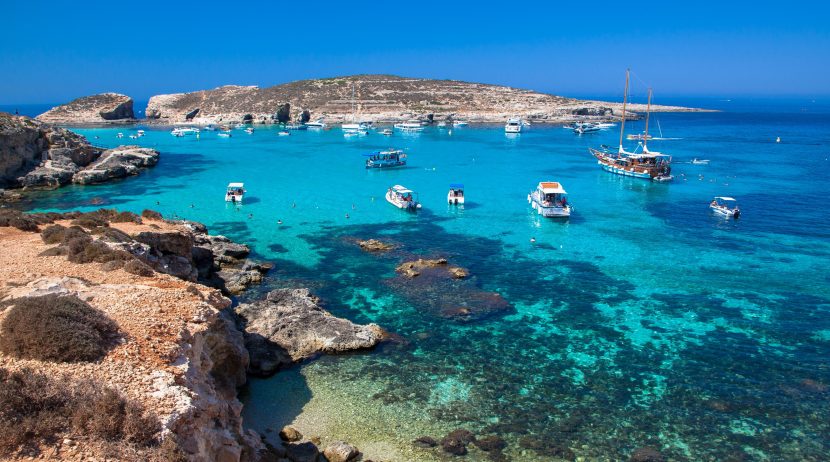
The Blue Lagoon on Comino is arguably the most iconic. Its bright, electric-blue waters owe their color to a sandy, white seabed that acts like a natural reflector. During summer, boats gather around its calm, shallow basin, turning it into a natural swimming pool framed by rugged rock formations.
On Malta’s southern coast, the Blue Grotto offers a more mysterious charm. This complex of sea caves is known for its iridescent reflections, where sunlight bounces off underwater surfaces to create surreal shades of blue.
For seasoned divers, Gozo’s Blue Hole represents the archipelago’s crown jewel. With its dramatic limestone arch, underwater tunnels, and abundant marine life, it consistently ranks among Europe’s most breathtaking dive sites.
A Natural Bridge Between Two Worlds
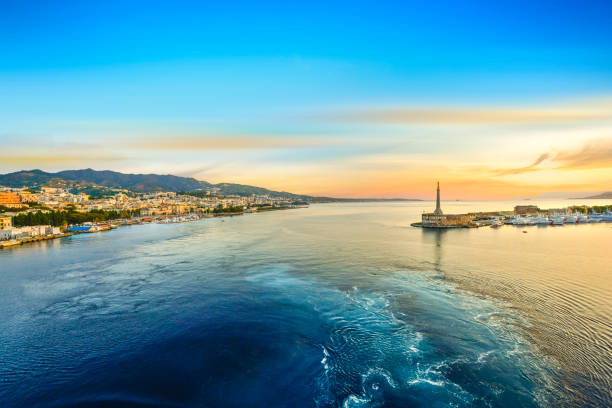
Despite their differences, Sicily and Malta are closely connected. High-speed catamarans link Pozzallo in Sicily to Malta in roughly 90 minutes, making it easy for travelers to experience both destinations in a single trip. They also share a climate that favors sea lovers well into autumn. As of 2026, the swimming season stretches comfortably from May until late October, thanks to long, warm days and consistently mild evenings.
One Sea, Two Identities
Sicily and Malta may each have their own culture, language, and landscapes, but the sea binds them as part of the same Mediterranean story. Whether it’s the volcanic depths of the Aeolians, the luminous shallows of the Blue Lagoon, or the rugged silence of Marettimo’s marine caves, the waters between these two islands remain a living archive of nature, history, and timeless beauty.
Marina of Sicily & Malta
Join us to protect the sea
Discover how Marina Club fosters a sustainable relationship with the sea through educational initiatives and engaging activities.
Active environmental awareness
We promote knowledge of the sea to encourage responsible behaviour that protects the marine ecosystem and safeguards biodiversity.
Sustainability Initiative
We organise events and projects that promote the respect of marine resources for a positive impact on future generations.
Community and Participation
We create a space for discussion and collaboration for those who share a passion for the sea and wish to actively contribute to its protection.