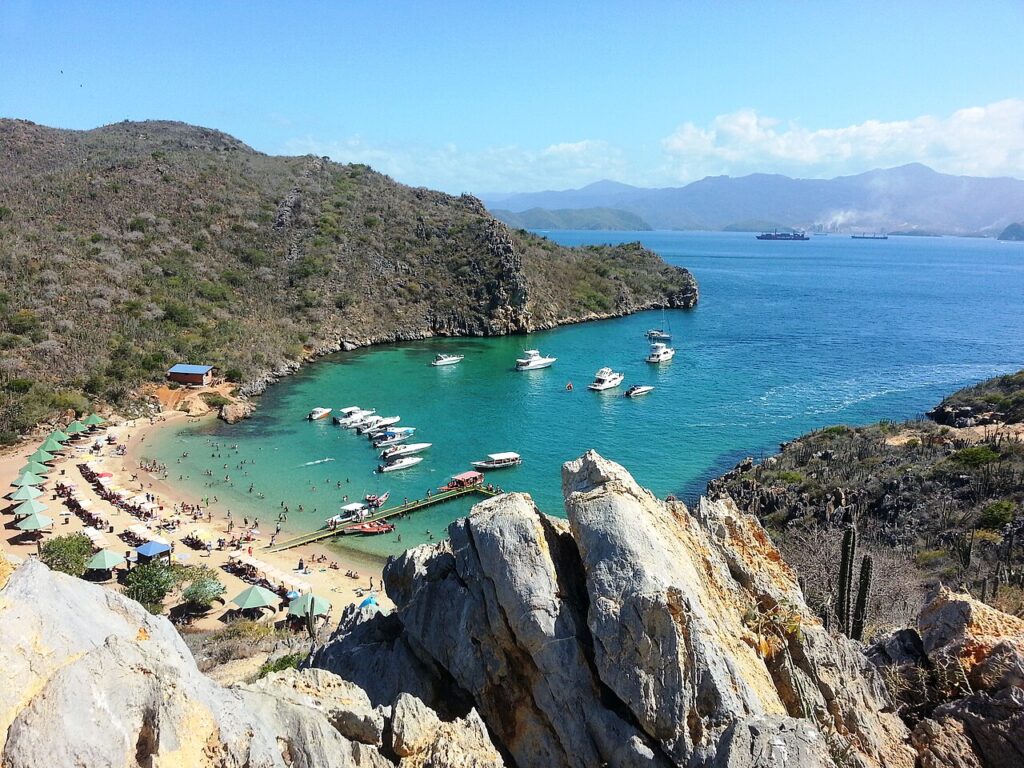
Venezuela and the Sea: A Nation Shaped by Caribbean Waters and Atlantic Horizons
With its northern shores bathed by the warm, turquoise waters of the Caribbean Sea and its southeastern edge touching the vast Atlantic Ocean, Venezuela is a country whose identity is deeply tied to the sea. Its coastline—stretching over 2,800 kilometers—hosts some of the most spectacular marine landscapes in the Americas, drawing visitors with white-sand beaches, coral reefs, and thriving marine life.
A Maritime Wealth: The Caribbean and the Atlantic
The Caribbean Sea represents Venezuela’s main maritime resource. Its consistently warm and crystal-clear waters create ideal conditions for swimming, sailing, and underwater exploration. On the southeastern edge of the country, the Atlantic Ocean adds another layer of ecological richness, shaping mangroves, deltas, and coastal communities that depend on fishing and maritime trade.
Islands and Archipelagos: Jewels of the Venezuelan Coast
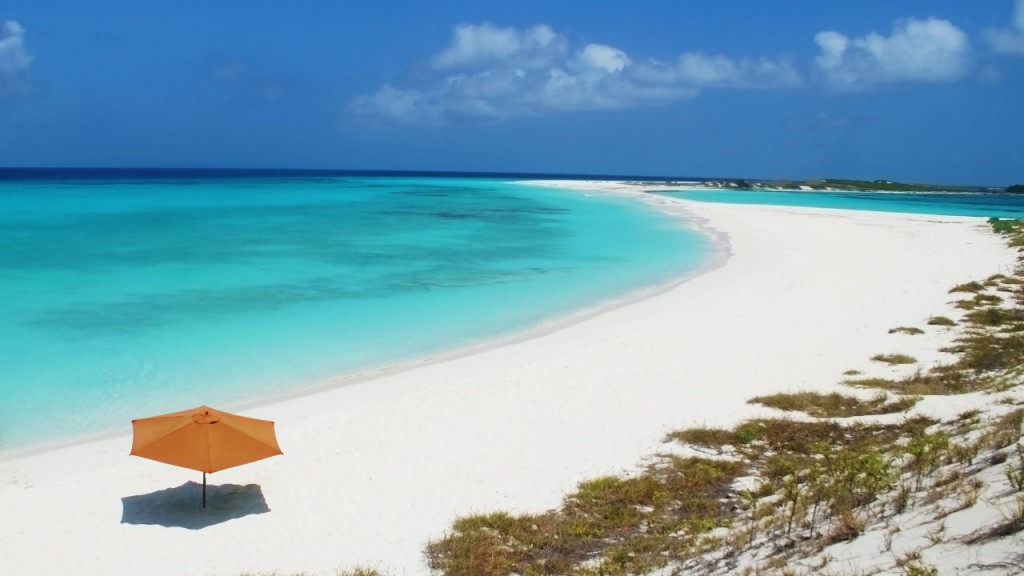
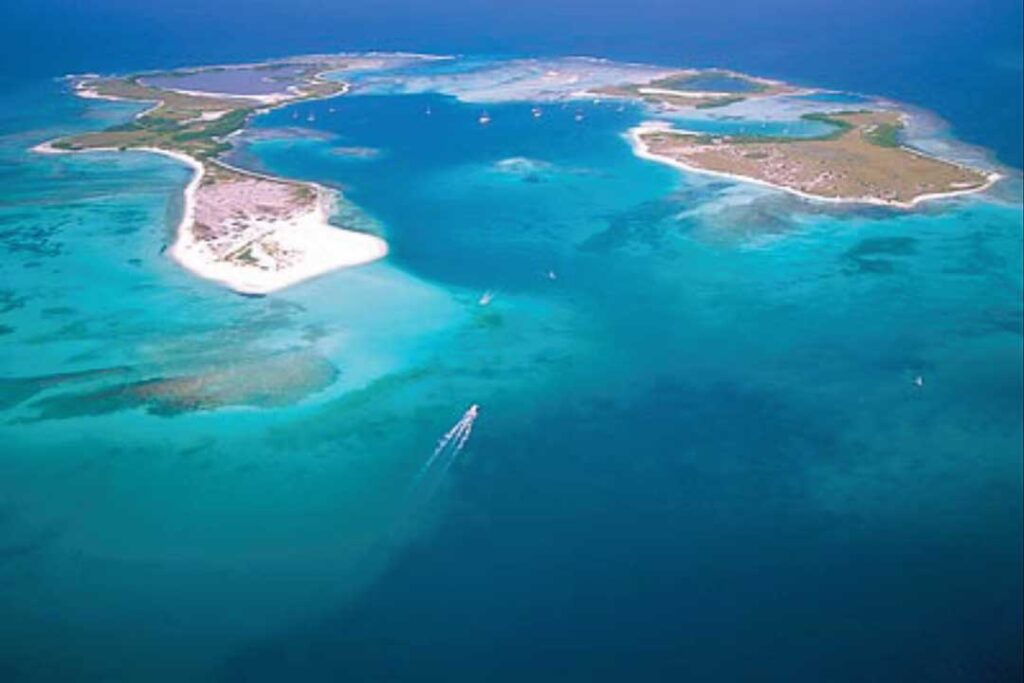
Los Roques, perhaps Venezuela’s most iconic archipelago, is a coral paradise protected as a National Park. Its tranquil, shallow waters and powder-white beaches have earned it recognition as one of the Caribbean’s premier destinations for kite surfing, snorkeling, and diving.
Further east, Isla Margarita blends natural beauty with local culture. Popular among both Venezuelans and international tourists, it offers beaches suited for surfing, calm coves for families, and vibrant seaside towns shaped by centuries of maritime commerce.
Protected Marine Areas: Sanctuaries of Biodiversity
Environmental preservation is central to Venezuela’s coastal identity.
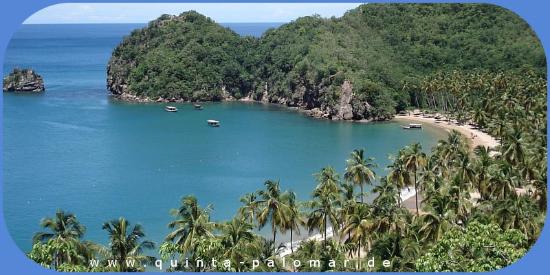
The Mochima National Park, straddling the states of Sucre and Anzoátegui, is renowned for its dramatic meeting of sea and mountains, as well as its reefs teeming with colorful fish. Visitors frequently spot dolphins gliding through its sheltered bays.
To the west lies Morrocoy National Park, a network of pristine turquoise waters and tiny islands—known locally as cayos. Its coral reefs, mangroves, and seagrass meadows form one of the country’s most important marine ecosystems.
Climate and Seasonal Rhythms
The tropical climate keeps Venezuelan waters warm year-round, making the coast an attractive destination in every season.
- Dry season (December–April): Optimal for beach tourism, sailing, and outdoor activities.
- Rainy season (May–November): Characterized by heavier rainfall and exposure to the Caribbean hurricane cycle, which particularly affects islands and northeastern coastal areas.
A Coastline of Beauty and Opportunity
Beyond tourism, Venezuela’s seas play a vital role in fisheries, transportation, and local livelihoods. Yet environmental challenges—ranging from coral degradation to climate variability—underscore the importance of protecting these ecosystems for future generations.
From the coral atolls of Los Roques to the dolphin-rich waters of Mochima, Venezuela’s coastlines remain a powerful testament to the country’s natural wealth. As the Caribbean waves shape its shores, the sea continues to define Venezuela’s culture, climate, and economic potential.beauty and vulnerability, a relationship that has shaped its history and continues to shape its future.
Join us to protect the sea
Discover how Marina Club fosters a sustainable relationship with the sea through educational initiatives and engaging activities.
Active environmental awareness
We promote knowledge of the sea to encourage responsible behaviour that protects the marine ecosystem and safeguards biodiversity.
Sustainability Initiative
We organise events and projects that promote the respect of marine resources for a positive impact on future generations.
Community and Participation
We create a space for discussion and collaboration for those who share a passion for the sea and wish to actively contribute to its protection.