Zanzibar and the Sea: Understanding the Island’s Ever-Changing Shoreline
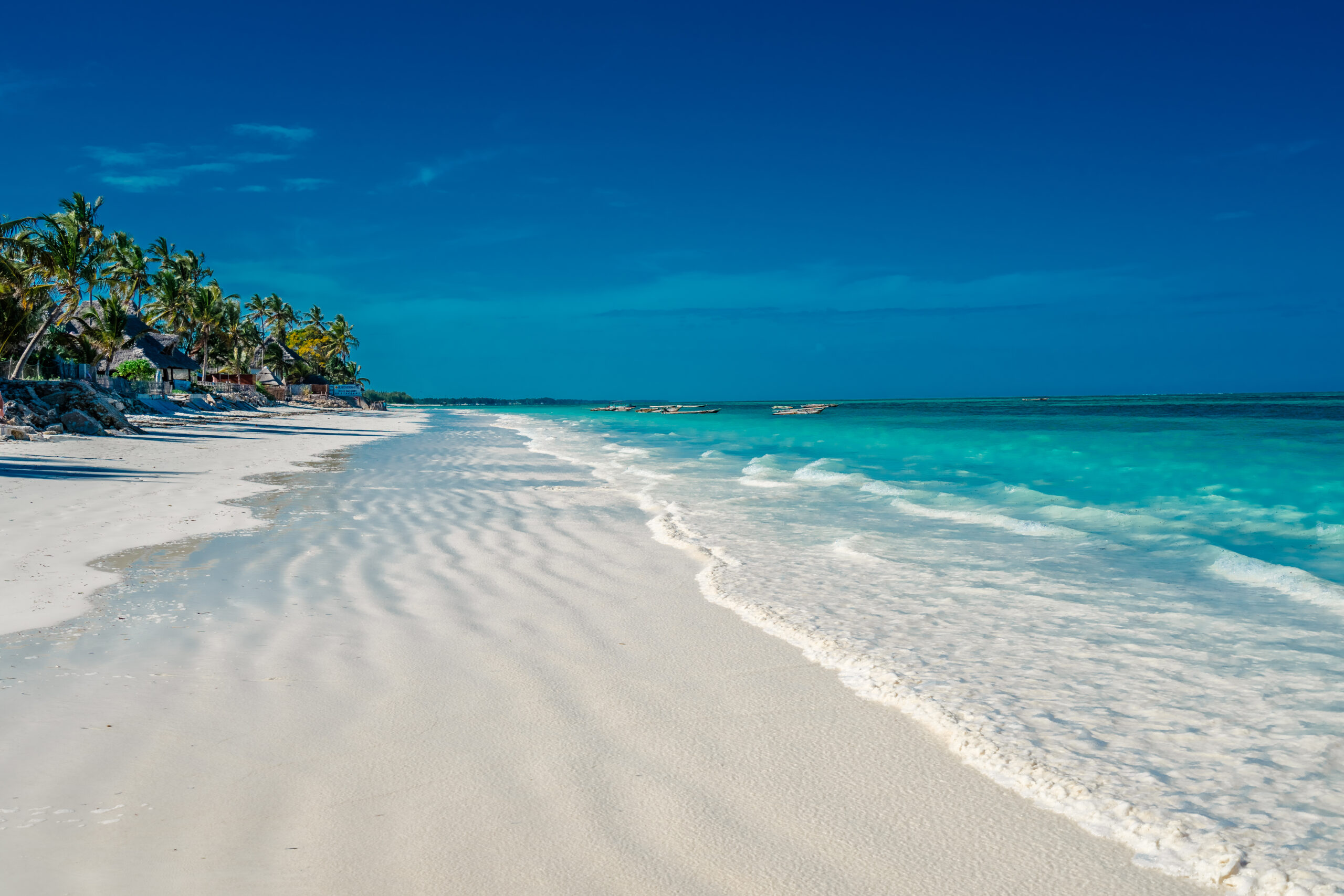
Zanzibar’s coastline is one of East Africa’s most captivating treasures: warm waters, brilliant clarity, and beaches that seem to melt into an endless turquoise horizon. Yet what truly defines the island’s seascape is not just its beauty, but the powerful and predictable rhythm of the tides — a natural phenomenon that shapes daily life along the archipelago.
A Sea that Moves to Its Own Rhythm
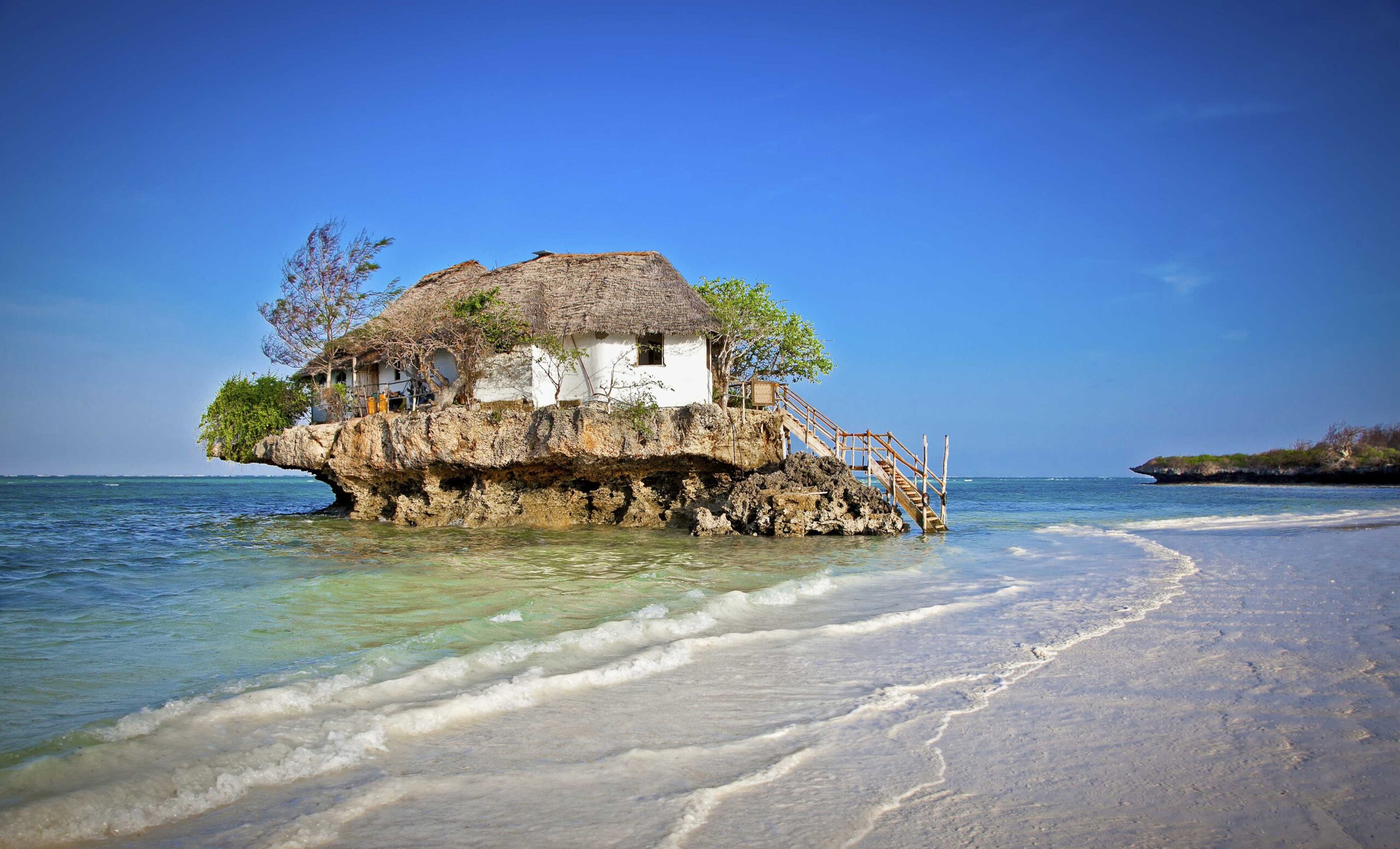
Every six hours or so, the tides along Zanzibar shift dramatically, revealing a landscape that is constantly changing. When the water retreats, vast stretches of white sand emerge, dotted with shells, seaweed farms, and small natural pools forming between rocky outcrops. As the tide rises again, the ocean returns to its postcard-perfect appearance, inviting swimmers back into its warm embrace.
Choosing the Right Coast: North vs. East
Not all of Zanzibar’s beaches behave the same way. The experience varies significantly depending on where you stay, making the choice of coastline essential for travelers.
The North Coast: Nungwi and Kendwa
The northern beaches — particularly Nungwi and Kendwa — are known for their minimal tidal shifts.
- Tides: Mild, with a difference of about 1–2 meters.
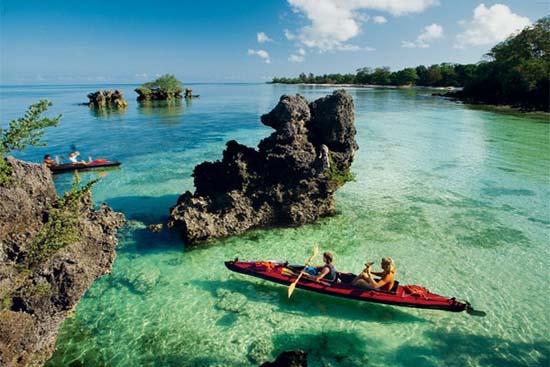
- Best for: Swimming at any time of day, snorkeling, and diving. The water remains deep enough even during low tide, retaining its characteristic clarity.
- Atmosphere: Livelier and more touristic, with resorts, beach bars, and activities operating throughout the day without interruption.
The East Coast: Paje, Jambiani, Kiwengwa, Uroa
The eastern shoreline offers a strikingly different experience.
- Tides: Strong, with variations of 3–4 meters.
- Best for: Long, breathtaking walks when the sea retreats, and the chance to approach the coral reef on foot during low tide — a unique and immersive experience.
- Atmosphere: More laid-back and authentic. Ideal for travelers seeking tranquility and contact with local traditions, though less suitable for those who want to swim continuously throughout the day.
The Magic of Low Tide: Natural Pools and Hidden Wonders
During low tide, Zanzibar reveals some of its best-kept secrets. Shallow natural pools form between rocks and coral patches, creating miniature lagoons perfect for a refreshing dip. These temporary basins, warmed by the sun, offer a quiet alternative to open-water swimming and invite visitors to explore marine life up close.
When to Go
Zanzibar enjoys warm seas year-round, but the best periods to make the most of its beaches are:
- December to February (high season)
- June to October (dry season)
During these months, the weather is stable, the water is clearer, and marine activities are at their best.
A Sea of Contrasts
Whether you choose the all-day swimmability of the north or the serene, ever-changing landscapes of the east, Zanzibar’s shores offer something extraordinary. The dance of the tides adds depth to the island’s identity — a reminder that nature, here, is always in motion, inviting travelers to slow down, observe, and immerse themselves in a rhythm older than time.
Join us to protect the sea
Discover how Marina Club fosters a sustainable relationship with the sea through educational initiatives and engaging activities.
Active environmental awareness
We promote knowledge of the sea to encourage responsible behaviour that protects the marine ecosystem and safeguards biodiversity.
Sustainability Initiative
We organise events and projects that promote the respect of marine resources for a positive impact on future generations.
Community and Participation
We create a space for discussion and collaboration for those who share a passion for the sea and wish to actively contribute to its protection.