Serbia and Its Relationship with the Sea
Although Serbia is often associated with the cultural and geographic diversity of the Balkans, one defining characteristic of the country is its lack of direct access to the sea. Despite this, Serbia has developed a unique identity and tourism model centered around its rich network of rivers, lakes, and natural landscapes.
A Landlocked Nation in Southeastern Europe
Serbia is a landlocked country situated between the Pannonian Basin and the Balkan Peninsula. Surrounded by nations such as Croatia, Bosnia and Herzegovina, Romania, and Montenegro, Serbia’s territory is entirely continental, without any coastline. Historically, the region has experienced various territorial changes, but modern Serbia remains completely without a maritime outlet.
Rivers as Gateways: The Role of the Danube
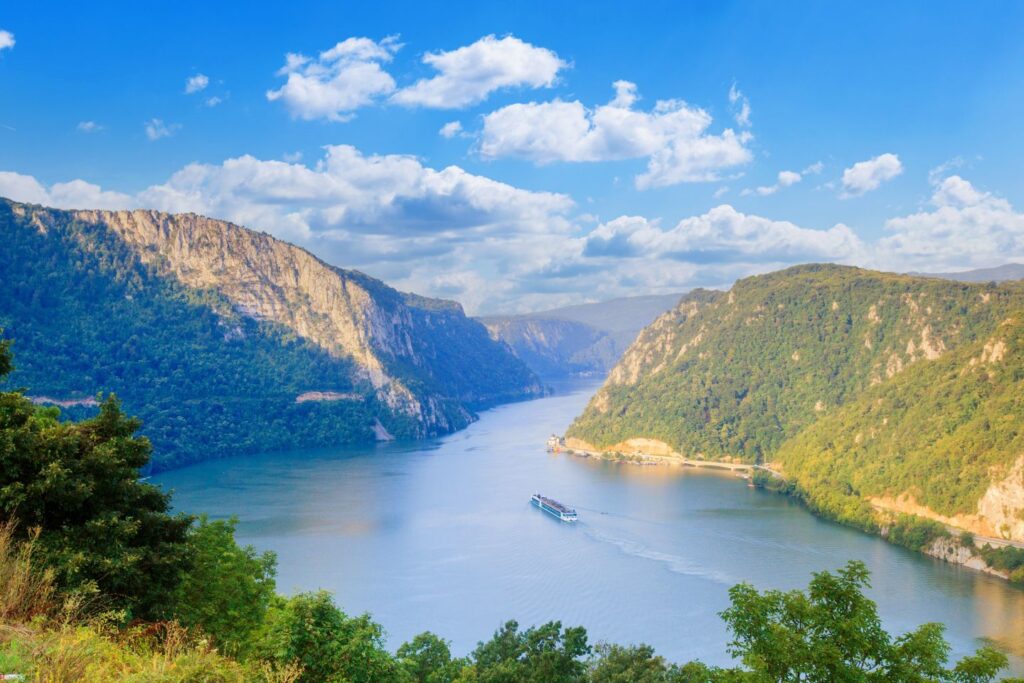
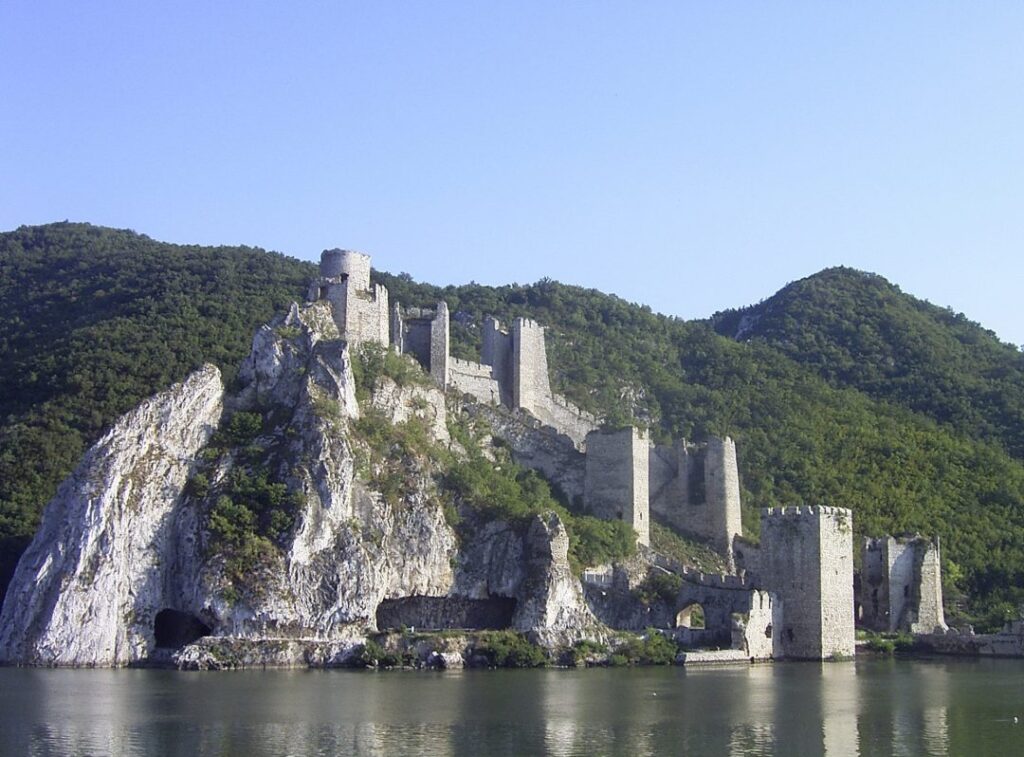
Even without a coastline, Serbia benefits from its strategic position on the Danube River—Europe’s second-longest river and a key waterway linking Central Europe to the Black Sea. This connection provides important economic and transport advantages, allowing for inland navigation and facilitating trade routes that stretch across the continent. Other major rivers, such as the Sava and the Drina, also contribute to Serbia’s fluvial network.
Tourism Without the Sea: Lakes, Rivers, and Urban Beaches
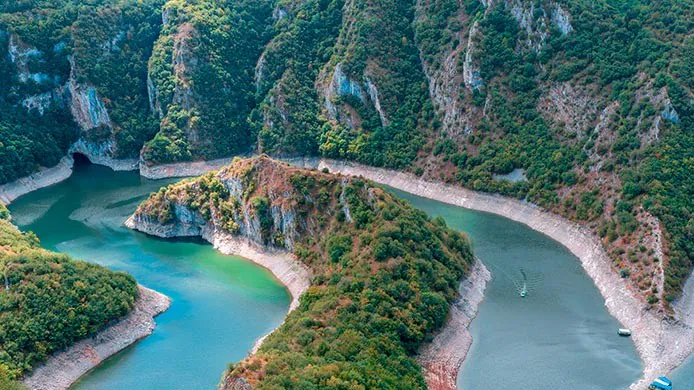
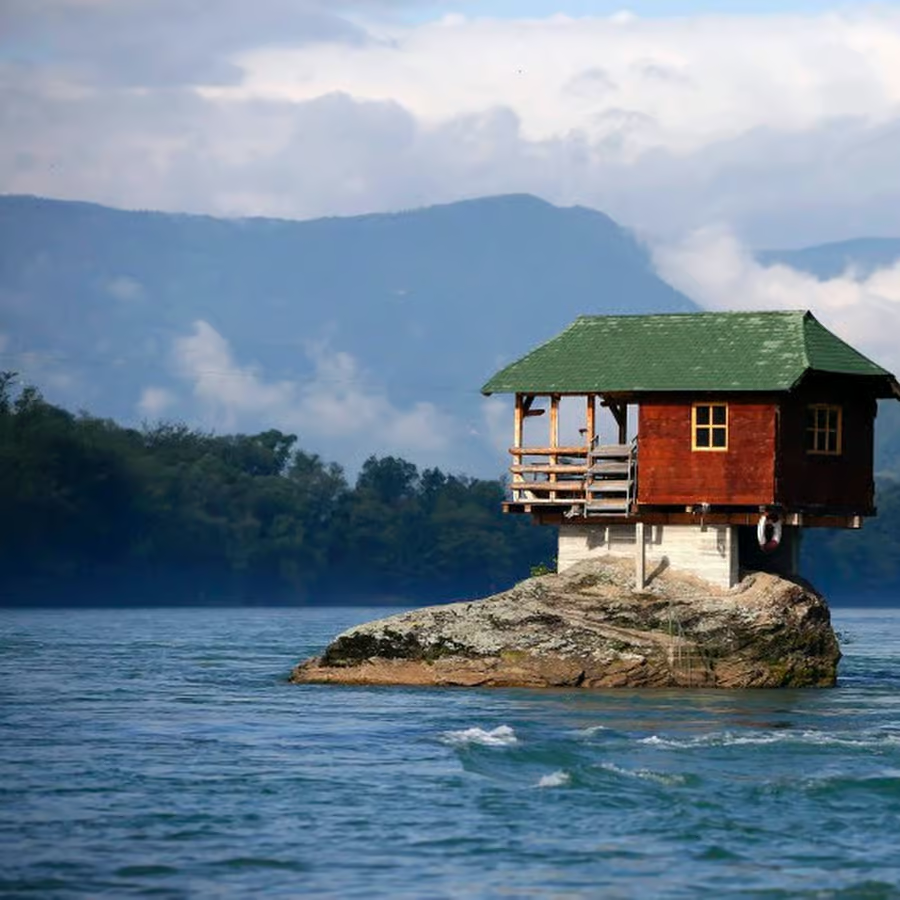
While Serbia cannot promote maritime tourism, it has successfully developed attractions centered on its internal waters. Belgrade’s Ada Ciganlija, often referred to as “Belgrade’s Sea,” is a popular recreational area featuring beaches, water sports, and vibrant summer activities. Numerous lakes, including Lake Uvac and Lake Palić, offer scenic landscapes, swimming spots, and eco-tourism opportunities.
Wellness and Mountain Tourism
In the absence of seaside resorts, Serbia has turned its focus toward wellness and mountainous tourism. The country is renowned for its thermal spas—such as Vrnjačka Banja and Sokobanja—which attract visitors seeking relaxation and health treatments. Additionally, Serbia’s mountain ranges, including Kopaonik, Zlatibor, and Tara, provide year-round opportunities for hiking, skiing, and nature exploration.
Conclusion
Though Serbia lacks direct access to the sea, it compensates through its rivers, lakes, and natural landscapes, offering a diverse tourism experience rooted in inland beauty and recreational opportunities. From the banks of the Danube to the peaks of its mountains, Serbia demonstrates that a nation’s appeal does not depend solely on access to the coast but on the richness of its environment and cultural heritage.
Join us to protect the sea
Discover how Marina Club fosters a sustainable relationship with the sea through educational initiatives and engaging activities.
Active environmental awareness
We promote knowledge of the sea to encourage responsible behaviour that protects the marine ecosystem and safeguards biodiversity.
Sustainability Initiative
We organise events and projects that promote the respect of marine resources for a positive impact on future generations.
Community and Participation
We create a space for discussion and collaboration for those who share a passion for the sea and wish to actively contribute to its protection.